
Do You Have A SHTF Water Plan?
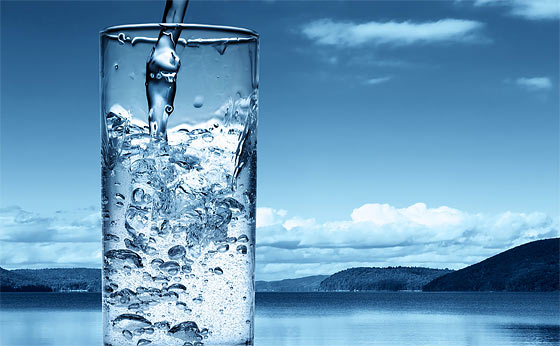
The thing about water that most of us already know, but many ignore… You can’t live long without it! In fact, water will rapidly become a #1 concern following SHTF disaster.
Water Is SHTF Concern #1
Many or most people overlook the importance of water. Why? By making the assumption that water will always flow from the faucet. It is taken for granted. Plus, depending on where you live, water may appear readily accessible from lakes and streams which may be around.
There are several issues to consider though:
No Electricity
A major SHTF disaster will likely coincide with a loss of electricity. Not everyone associates the fact that most all flowing tap-water is dependent upon electricity (pumps). For nearly every home, you cannot have one without the other (water & electricity).
Pumps are required to move the water around the utility system’s infrastructure. These pumps supply the pressure necessary to ultimately ‘push’ it out of your faucet. There are some locations and systems that are gravity fed, but in most of these cases a pump is still required to move the water up into a big holding tank. When the power goes out, the system pressure will begin to reduce until there is no more – which could happen fairly quickly as people continue to consume the water in their homes.
Caveat: Municipal systems have backup generators for their pumps. Obviously the issue there is resupply of fuel AND generator functionality. Also, obviously, if you’re on a well – a generator will keep it going – until you run out of fuel…
Logistics Of Getting Water From Other Sources
People also tend to put the water issue out of their minds because they believe that if their faucets run dry, they could simply collect water from a nearby source – perhaps one that they pass every day in their travels like a pond, lake or stream.
There are several problems with this. One is that water is HEAVY, and weighs about 8 pounds per gallon! Another problem is transportation and the containment vessels to be used to collect and transport the water from the source to the home. How will the water be collected and moved?
Plus, once you have obtained the water, where and how will you store it at home? And do you have the means to purify it for safe drinking? If you will be relying on boiling the water, how long will your fuel last? Do you have a quality water filter capable of purifying many, many gallons over a period of time?
Without solutions to these problems put in place ahead of time, you might not be able to procure the water that you need, which may force you out of your home…
Storing Your Water
At a minimum, you should have some amount of stored water for use in case you need it. Surprisingly, I believe that many people do not have any more than a case of ‘water bottles’ at home. I wonder how long that will last? You might consider storing some water in bulk. There are a variety of ways to do so.
You could store many cases of bottled water, and/or you might choose to purchase larger water storage containers such as this one, 7 Gallon Rigid Water Container, which would weigh a bit north of 50 pounds each when full. Here’s a 5 Gallon water jug which might be a bit easier to manage.
You might consider stack-able water jugs.
You might also consider storing water in larger containers such as large water barrels (55 gallon, etc..). An issue to consider will be the weight, and the structural support of the floor that the drums will rest on. 55 gallons will weighs more than 400 pounds…
Also remember this… your hot water tank contains drinkable water. You may have 30 to 50 gallons of water readily available there. All you would need to do is open the drain valve for the water to pour out at the bottom of the tank. Caution though… these valves tend to become “stuck” over the years – and may not close properly after you’ve opened it (would need to replace it).
If the power goes out and you suspect it might be “long term”, you might proactively fill your tub with water. A bathtub can hold a-lot of water (between 40 and 60 gallons). You should not drink the water that you’ve saved in the bathtub without purifying it first. There are water bladders for bathtubs that will fit in your tub and will help protect and maintain water purity.
In addition to filling the bathtub you might also fill any other water vessels that you may have on hand – buckets, pails etc..
What If Your Water Storage Runs Out?
Having a water supply storage at home is one thing, but a problem is ‘what if’ it runs out (and it will if the disaster runs on long enough)? You will need a backup plan to procure more water.
If you are fortunate enough to have water nearby, you will need a way to get there and back, and buckets to scoop and transport the water. Consider having a wagon or cart to help transport buckets of water from a nearby source.
You might also choose to install a rainwater collection system to capture the rain that falls on your roof. It is stunning as to the amount of water that you could capture. For every inch of rainfall there will be 0.623 gallons of water falling on every square foot of roof surface area. If your roof measures 50×30 feet, you will capture more than 900 gallons of water per inch of rainfall!! There are rain gutter adapters available to divert water into storage barrels.
The same principle applies if using a plastic tarp, which you may set up on four poles and puncture a hole in the middle which drains into a barrel, or whatever. A 9×12 tarp will capture more than 60 gallons of water per inch of rainfall!
Always remember to filter / purify your water before drinking it. This can be accomplished by boiling it for at least one minute. And/or you might consider a quality drinking water filter:
Berkey Water Filter
(from USA Berkey Filters – the best on the planet…)
Having a natural source of water on your property is a HUGE asset. The further away you must travel to obtain water, the more difficult it will be during a post-SHTF collapse. Think about it…
[ Read: The Average Gallons Of Water People Consume Each Day ]
[ Read: How Many Gallons Can You Get From Rainwater Collection? ]
