
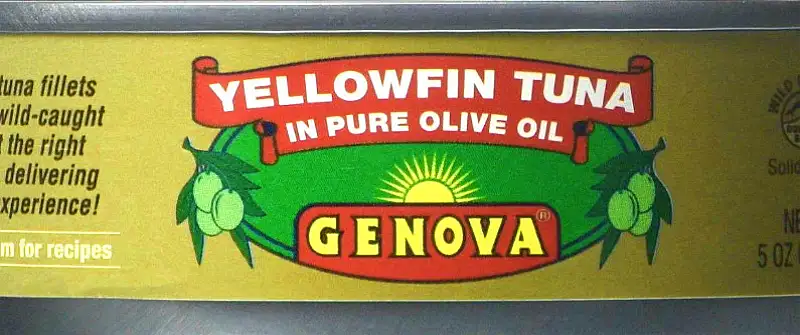
Tuna Fish Canned in Oil or Water?
February 5, 2012, Submitted by: Ken TweetIf you are wondering whether to purchase canned tuna that is packed in oil or in water, and if your purchase decision is based on it being a emergency survival food prep, you many consider the following facts.
The primary difference is that tuna packed in oil has about four times as much fat content (4 grams versus 1 gram packed in water in a typical 5 ounce can), and therefore contains more calories. Some tuna is packed in vegetable oil while others are packed in olive oil. Olive oil may be slightly better for you than the vegetable oil, however no doubt that the canners are not using the ‘good’ oil.
In a typical 5 ounce can of tuna,
Packed in water…
150 calories, 7% fat, 93% protein
Packed in oil…
250 calories, 40% fat, 60% protein
(approximate)
Although I can’t find manufacturer data to support it, tuna in oil probably has a lower freezing point, which may matter to those in very cold climates or outdoor winter situations.
Remember that not everyone may enjoy the taste/texture of eating tuna packed in oil versus that of water. Store what you eat and eat what you store…
Overall, it seems that from a survival preparedness standpoint, tuna packed in oil may be the better choice due to its higher calorie content. From a health standpoint, the choice may be ‘water’.
Also, be aware of the dangers of mercury in tuna. The general advice that I’ve read is to not consume more than one or two cans per week, but it all appears highly debatable.
Not a bad price, with free shipping:
Chicken of the Sea Tuna Solid White Albacore Tuna in Oil, 5-Ounce Tins (Pack of 24)
Chicken of the Sea Tuna Chunk Light Water, 5 Ounce Tins (Pack of 48)
Be Prepared. If you enjoyed this, or topics of current events risk awareness and survival preparedness, click here to check out our current homepage articles…


If you are worried about your canned goods freezing, pack them into large ice coolers. Not only do decent ice coolers usually have handles on them to make transport easier, but an ice cooler will keep things inside safe from temperature changes. Same thing as those insulted coffee or hot chocolate insulted mugs, can keep it hot or be used to keep a drink cold during the hot months. Canned goods in hot areas can also be kept cooler by packing them in coolers. Also if you have a moisture or water problem, you absolutely want to keep cans from getting rusted, use some coolers they will keep them dry.
I prefer the taste when packed in oil, but that might be due to it being the only canned tuna option while I was growing up. I stack tuna (and Miracle Whip) pretty deep, great on B&M Brown Bread! 5 oz cans… Saw them recently on “sale”, 10 for $10. Anyone else remember 6 oz cans, 3 for a buck? For that matter, anybody remember this? http://www.youtube.com/watch?v=AJsa2scxkQI
In my local Costco (Omaha Metro), 10pk of Solid White Tuna in water is $11.99. That makes it $60.00 for 50 cans. We buy some tuna, but for my large family it is just too expensive.
Not really a tuna fan. Would eat it if I had to. If you have a Trader Joe’s nearby they have different types of it.
Simple point but very interesting. I am always looking for higher calorie content of my canned meat stores. As I normally only eat tuna in water I haven’t even glanced at the labels of oil packed tuna. I will get some and rotate through it like everything else. Great suggestion.
Plenty of oil packed tuna at dollar stores. I also like the idea of occasionally supplementing my dogs dry survival food with some high fat calorie tuna.
Which brings me to another point. We rotate through our long term foods. As we all know one has to be acclimated to the food that you intend to survive on. I haven’t done that with my dogs. I have a different brand of dog food for them and I packed it in sealed buckets which I do not rotate through.What’s good for the master is good for the dogs. I will fix that oversight.
It is frightening to see the prices of tuna and everything going up. Tuna at the local Walmart went up 15 cents since about two weeks ago. Safeway had tuna going for $1 a can “special”. Good time to buy now before the prices goes up again. By the way Ken, sorry about the outcome of the Super Bowl as I see the Patriots logo was removed above. I know, the bad guys won.
to Mortimer:
Trader Joes used to sell Tuna For Cats at a very low price. The meat within was very dark leading me to believe they are selling the dark meat along the backbone which is probably the kidney. If you are worried about eating seafood and avoiding heavy metal contamination, stay away from organ meats as these are the body tissues where heavy metals can/tend to accumulate. We do not even feed this to our cats anymore. They do better on dry food these days.
Since the earthquake in Japan and resulting nuclear plant problems I stopped buying tuna. Have been wondering where tuna is from and if it is contaminated. (more than usual) Would be interested in other people’s opinion/research.
Ted K’s comment above, about avoiding heavy metal contamination by staying away from organ meats, is good to know. Is heavy metal the same as radioactive?
i agree, most of these canned tuna come from those waters that were/are filled with radioactive materials from the meltdowns. and we’ll never know if the tuna is contaminated(which how can it not be, at least some), the producers will keep that under wraps, there is to much money to be made, and to money to be lost if that was found out.
Here is an article that I wrote about that very subject of radioactive tuna, back in April-2011, http://modernsurvivalblog.com/nuclear/buy-your-canned-tuna-now/
Ken: Don’t know how I missed that article, thought I checked this blog faithfully. Will print off that article about “radioactive tuna”, too much info for me to remember. (middle-aged brain, lol.)
I agree that tuna packed in oil is probably better for food storage; however, in the discount grocery stores where I shop I do not find tuna packed in anything but water.
I store and rotate olive oil(in small, date-marked, glass bottles) and use it in cooking. This helps with the water-pack tuna problem. When I use tuna it is often to make a casserole which contains a type of pasta (usually noodles). I will double the recipe and place one pan in the freezer for later use. This is problematic with water-pack tuna as the pasta does not respond well to being frozen with tuna that has no oil coating. I learned to solve this problem by placing the drained tuna in a large bowl, and then tossing in a couple tablespoonfuls of extra-light olive oil, mixing well to coat the flaked fish. I then go ahead and mix in all the other casserole ingredients, bake one pan for serving immediately and place the second in the freezer. I’ve noticed no difference in quality after freezing when I use this method.
To be “politically incorrect,” fat is an essential part of the diet. To help ensure daily calorie needs are satisfied and to round out the diet as well as to keep from having to boil, bake, or roast everything, storing and rotating bottles of cooking oils is a good idea. Try to stick with glass bottles rather than plastic where breakage is not going to be a concern. One can store many small bottles with varying dates of “best used by” stamped on the sides or lids, in date order for best rotation. This works better than trying to work one’s way through a single gallon jug of oil before it starts to go rancid.
@All; I would have to say that the tuna would be relatively safe from radioactivity as the folks on the left coast will have been testing for radioactivity the better part of a year and I’m sure they would let you know if they found an iota of radiation. Every nuclear medicine facility will have a survey meter that can detect even minute amounts of radioactivity in the micro-curie ranges and I’m sure some techs have brought their tuna in for review. You are probably in more danger from the mercury than the radioactivity. Not that it isn’t possible, just not likely with the high degree of food paranoia there. As far as food storage and specifically meat and fats, I have an ongoing experiment running since 1998 (Y2K) on preps. I currently have beans, rice, Crisco, canned hams and canned potatoes left from that date. I have related this in other posts but where escapes me right now, so I’ll repeat it for new folks. The meat I have left is Dak’s canned hams. I have 3 left and have opened one every other year or so for the past 5-6 years. They taste great with no after effects or flat or off tastes or odors after 11 years. I have 2-3 cans of whole potatoes left and opened one a year ago and they were fine as far as taste, texture, odor and look. Yes, they’re still canned potatoes but they were okay after 11 years also. Crisco seems to be the best way to store WHOLE fats. Liquid fats WILL go rancid at some point much quicker than solid fats. Opened a Crisco 5# can with a 98 date (last one of those) last spring also and it was clean smelling and tasting without any hint of rancidity and used it all up without a problem. Now whether it is good for you are not was not the issue, just whether or not it was edible and usable, and it was. The older beans are getting hard to cook in a regular pan, but will eventually cook through. Haven’t used a pressure cooker yet but I think that will make the cooking easier. Beans will probably have to be replaced after 12-15 years or ground into flour and mixed with wheat or corn flour to make bread but I have no experience with that. If anyone has knowledge of this let us know, please. The rice and wheat are both okay and I have not noticed any decrease in quality for them, they cook fine and taste fine. What CitznKate said about adding fat to your diet is what you will have to do to add calories to your diet, especially if you are eating less than 2200 calories a day for an extended period of time. Other than Crisco the densest way to store calories is with Spam. Yeah, I know, it gets no respect. I just dug through the pantry and found these values. Spam is 1080 cal/cn and 90 cal/oz. Corned Beef is 720 cal/cn and 60 cal/oz. Chicken Breast is 270 cal/cn and 30 cal/oz. Tuna 125 cal/cn and 25 cal/oz. Roast beef in gravy is 260 cal/cn and 22 cal/oz. As you can see only corned beef and spam give any decent calorie values per oz. To a can of tuna you would have to add at least 4 tablespoons of oil (fat 120 cal/tbls) to get the count up to a decent level (125 + 480{oil} for 605 cal/cn), unless you’re going to eat a whole can. I don’t know about you but I have not figured into my preps eating a whole can of protein (and fat) per day per person, it’s too expensive. If you are eating rice and beans as a staple, with whole wheat or corn breads and have other fresh or canned vegetables added, you are going to be low on calories, even with wild game thrown in. Fruit preserves and peanut butter will help but their lifespan is measured in 2-4 years and have to be replaced. Syrup and whole honey on pancakes can also help add to the calorie count along with pre-mixed drinks like Swiss Miss, Tang and other sugary drinks. The only other thing I can think of would be to have chickens for the eggs at 70 cal/egg and 24 gr protein. Anyway, just my two cents. Oh, Tom Brady is a LOSER, big “L”. Two times in a row with the Giants and Eli against Tom and the Pats. Poise under pressure. Sorry Ken. Survive well. Enjoy
Great post, you have done a lot of personal research and experimentation.
To all:
My comment about avoiding the dark meat and internal organs of benthic or pelagic fish was to address the heavy metal accumulation within our diets. This was not meant to address the radiation issue. (sorry)
The primary heavy metals from fish are mostly mercury. This has created huge problems in Japan where fish is part of the school lunch program. (they eat A LOT of fish compared to those of us in the Con US) In addition to being wary of lead and mercury in fish, there are other chemicals like Dioxin in some bodies of water within the Con US. (Don’t eat largemouth or stripped Bass from the Sacramento Delta. There are warning signs posted and it is mentioned in the fishing regs.)
As a parting gesture, what is the difference between a lawyer and a catfish?
One is a slimy, scum-sucking bottom feeder and the other one is a fish.
Hey everybody, can tuna is going for 79 cents for a week at Safeway. Was looking at their new brochure and this is for Chicken of the Sea Chunk Light Tuna 5 oz. can, use to be 6 oz a couple of years ago. This is one of the better prices I have seen for tuna in awhile. A twenty dollar bill would get you 25 cans before any sales tax, a fifty dollar bill would get 63 cans, and a hundred dollar bill would get you 126 cans. We don’t have tax on food here. Also saw Safeway bleach for $1.79 for 96 oz. container as this is also a price I have not seen this low for bleach in awhile.
Ken and Lauren, I have an idea. Whenever people out there see a really good price on some survival item at a nationally available store maybe you could somehow set up a little section somewhere in which people could tell others about fantastic sales so everybody can take advantage of a survival item and buy some of them up. If either of you see a really good sales item like cans of food, toilet paper, coffee, soap, whatever you could let everyone know about it. I would say as long as it is a store like Safeway, K-Mart, Target, some store that almost everyone has access to. Most people were happy about a dollar a can tuna, this is 79 cents.
People here seem to want to help others and saving a lot of money on specials that someone knows about that others are not aware of makes good sense. I really watch the brochures myself, but sometimes I just don’t see a really good deal and lose out on it because I was unaware of it. Everyone should really be thinking about getting food and other items now before the prices really start to hike. Making everyone aware of good deals saves money, but it also gets people storing away extra supplies. Just a thought to help with some new ideas on stocking up before……
…probably because the tuna in the cans are filled with Cesium-137 as they swam by Fukushima.
I have a question that maybe someone here can answer, about tuna.
I’ve bought tuna packed in foil/plastic/mylar? packets without added water or oil. They have expiration dates that are usually within a couple weeks of when I buy them. BUT, I buy them at the dollar store, meaning the expiration dates may have been really close when THEY bought them, and there’s no telling how long ago it was packed.
My question is: How long will this type of tuna actually store?